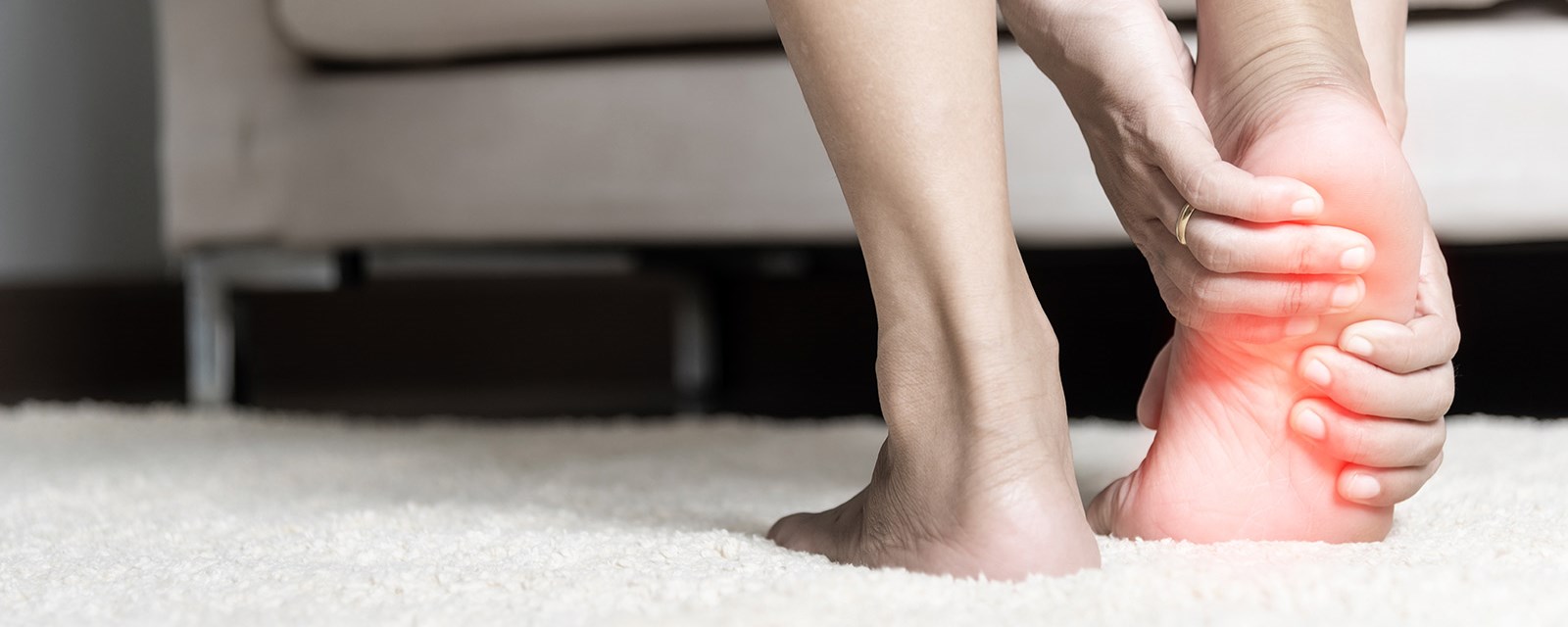
Poor foot care among individuals living with diabetes is not just a public health issue—it’s a growing economic burden on families and healthcare systems, says a Nigerian endocrinologist, who is calling for urgent preventive strategies.
In an interview granted to journalists in Bauchi, Dr. Ayuba Mugana emphasized that diabetic foot complications, including infections and amputations, remain one of the most preventable yet costly outcomes of unmanaged diabetes. The medical expert’s warning underscores a broader economic concern: the hidden cost of treating diabetes-related foot injuries, which often results in job losses, extended hospital stays, and long-term disability support, particularly in low-resource settings.
“Foot injuries are the second leading cause of amputations in Nigeria, after road traffic accidents,” said Dr. Mugana. “Most of these amputations are avoidable with timely and proper foot care.”
He explained that individuals with diabetes often experience reduced sensation in their feet due to nerve damage, making them more vulnerable to unnoticed injuries. Left untreated, even minor wounds can escalate to severe infections, often requiring costly medical interventions, including surgery.
“Walking barefoot significantly increases the risk of stepping on harmful objects without realizing it,” he said. “The consequences are not just medical but financial—hospital bills, loss of productivity, and social support needs after amputation.”
Dr. Mugana advised against wearing tight shoes or socks, which can impede circulation and increase the risk of ulcers. He also discouraged the use of sharp
