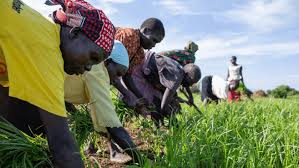
The Kogi State Livestock Productivity and Resilience Support Project (Kogi L-PRES) has begun training farmers and stakeholders on the safe use of antibiotics in livestock production.
Project Coordinator, Mr Abdulkabir Otaru, said in Lokoja on Tuesday that the training would enhance the capacity of livestock farmers, veterinarians, doctors, and environmental health professionals on Anti-Microbial Resistance (AMR).
He explained that the project would positively impact livestock production in Kogi by promoting safe practices and reducing the risk of antimicrobial resistance.
Otaru stressed the importance of bridging knowledge gaps among livestock farmers concerning the use of antimicrobial drugs.
He said stakeholders would be engaged to strengthen their capacity in using antibiotics safely, thereby safeguarding food safety and public health.
According to him, the World Bank, in partnership with federal and state governments, is supporting the project to build stakeholder capacity across the livestock value chain.
The training, he noted, is vital in tackling AMR, which poses serious threats to human and animal health, food safety, and sustainable livestock productivity.
It would also be conducted in four additional centres across Kogi, with each centre expected to train at least 400 participants in various categories.
Otaru disclosed that the project aimed to train at least 2,500 farmers on AMR, who would later adopt safer livestock production practices.
He commended Gov. Ahmed Ododo for consistently supporting the project by meeting the government’s counterpart funding obligations.
Otaru also appealed to the media for wider coverage, stressing that the initiative goes beyond productivity and profit, as it is ultimately about saving lives.
Dr Agu Yakubu, from the Animal Health Department, Federal Ministry of Livestock Development, highlighted rising concerns about AMR, which makes infections more difficult to treat.
Yakubu attributed the trend to overuse of antimicrobials, poor infection control, misuse of drugs, and lack of new antimicrobial development, among other factors.
He called for a “One Health approach”, requiring collaboration among human, animal, and environmental health sectors to effectively address AMR.
“By raising awareness and acting collectively, we can mitigate AMR’s impact and ensure infections remain treatable,” Yakubu said.
A participant, Mr Daniel Arome, praised the government for the sensitisation workshop, saying it broadened their understanding of safe livestock management.
Arome, Coordinator of Poultry Farmers in Lokoja LGA, pledged to share the knowledge with members of his cluster group at the grassroots level.
(NAN)
