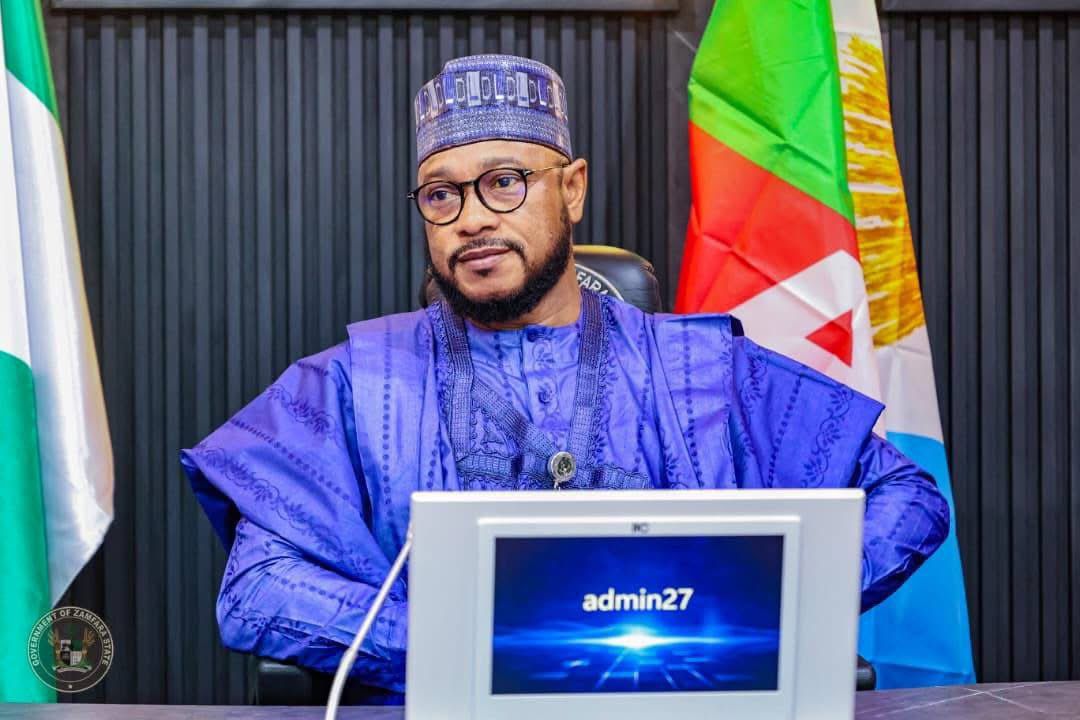
Governor Dauda Lawal has approved a 120-day Rapid Intervention Action Plan aimed at addressing systemic failures in Zamfara State’s education sector.
The Governor presided over the State Executive Council meeting on Monday at the Government House in Gusau, where key policy decisions were taken. During the 65th Council meeting, members considered and approved issues spanning education, health, works, and other critical sectors.
At the centre of the deliberations, the Council endorsed a 120-day intervention framework built on prior diagnostic assessments conducted by the Ministry of Education and the Education Quality Assurance Agency (EQAA). Accordingly, the plan, presented by the overseeing Commissioner for Education, Abdulmalik Abubakar Gajam, outlines payroll audits, school mapping exercises, and infrastructure assessments.
In addition, the framework proposes targeted, time-bound interventions across governance, infrastructure, digital transformation, teacher development, and student welfare, with the aim of delivering measurable improvements within the emergency period.
Furthermore, the Council approved the immediate constitution of a joint committee to assess all illegal or unapproved structures around schools across the state. The committee, to be led by the Ministry of Education, Science and Technology, will oversee relocation efforts and strengthen security around school environments.
Beyond infrastructure concerns, the Council also approved the development of a unified Education Sector Bill covering Early Childhood Care Development Education through tertiary level. To ensure inclusiveness, the drafting process will involve key stakeholders, including government agencies, institutions, civil society groups, traditional rulers, and development partners. A draft bill is expected to reach the State House of Assembly within the stipulated emergency timeframe.
Meanwhile, the Governor approved the transfer of non-teaching personnel, including messengers, labourers, gardeners, cooks, guards, drivers, health workers, and artisans, from the Ministry’s payroll to relevant MDAs or private service providers. This move, officials say, aims to streamline administrative efficiency and refocus resources on core educational functions.
As part of broader reforms, the Council ratified the composition of the Zamfara State Steering Committee on the State of Emergency on Education. The Committee will also establish a Technical Working Group and co-opt key stakeholders such as the Nigerian Union of Teachers (NUT), UNICEF, UBEC, traditional and religious leaders, private school proprietors, and civil society organisations.
