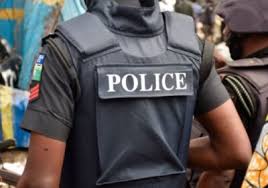
Three Senior Advocates of Nigeria have backed Nigerians’ right to record police officers while performing their duties in public spaces.
The lawyers, Olu Daramola, Olalekan Ojo and Isiaka Olagunju, said such recordings could promote transparency, preserve evidence and strengthen accountability.
Their position followed recent comments by Inspector-General of Police Olatunji Disu, who described the growing practice of recording police officers as “very, very demoralising” for the force.
However, Disu also acknowledged that citizens have the right to record officers performing their duties in public. His concern, according to recent reports, centres on indiscriminate recording and the use of officers as content for social media skits.
Court judgment backs right to record
Daramola said the legal position was already settled by a Federal High Court judgment delivered in March 2026.
He cited the judgment of Justice Hyeladzira Nganjiwa in Maxwell Nosakhare Uwaifo v. Inspector-General of Police, which affirmed the right of Nigerians to record police officers performing public duties.
“The law as it stands today is that Nigerians have the right to record police officers on duty in public spaces,” Daramola said.
He said the judgment also directed police officers to display visible name tags and force numbers to make identification easier.
According to him, the court further prohibited officers from seizing mobile phones or deleting footage recorded by members of the public.
Daramola said the judgment was consistent with Section 39 of the 1999 Constitution, which protects freedom of expression and the right to receive and impart information.
He, however, acknowledged that citizens must not obstruct officers from carrying out lawful duties.
“The only limitation is that you cannot obstruct or prevent a police officer from performing his lawful duties,” he said.
Ojo: Recordings can preserve evidence
Ojo also supported the right of citizens to record police officers performing their duties.
He said recordings could preserve evidence of misconduct and encourage better conduct among officers.
“Recording in Nigeria today, in my view, also constitutes a form of evidence gathering and preservation,” Ojo said.
He argued that video evidence had helped expose misconduct in cases where officers might otherwise have denied wrongdoing.
Ojo also said the knowledge that their actions could be recorded could make officers more conscious of their conduct.
“If the police know, as they now know, that their activities may be recorded, then they will be much more careful as to what they do in the course of discharging their duties,” he said.
Lawyer warns citizens to consider safety
Despite backing the right to record, Ojo warned Nigerians not to ignore their personal safety.
He said some officers could react aggressively when they discovered that citizens were filming them.
“I have seen cases where police officers, upon discovering that they were being recorded, got angry and decided to do the unthinkable and the unspeakable,” he said.
According to him, an officer who fears that a recording could expose misconduct might attempt to seize or destroy the phone or harm the person filming.
Ojo therefore advised citizens to assess the circumstances before recording.
“If it is safe to record, go ahead and record. If it is not safe, you are the only one there. I will advise you not to record,” he said.
Olagunju supports accountability
Olagunju also said the IGP could have legitimate concerns about officers’ privacy and safety.
He nevertheless argued that recording could be encouraged where public officers were failing to perform their duties properly.
“The IG may be right to some extent because of privacy and safety of the police officers. However, in some circumstances, recording a police officer or any other public officer who is derelict in his or her duty should also be encouraged,” Olagunju said.
He said such recordings could provide evidence and strengthen accountability.
IGP calls for restraint
Disu’s comments have fuelled renewed debate over the limits of citizens’ right to record police operations.
Speaking during a meeting with the Nigerian Bar Association leadership in Abuja, the police chief said the recent court judgment had caused concern within the force.
He said some members of the public had gone beyond recording officers during official operations and had begun filming them in places such as restaurants.
“We are not saying they cannot exercise their rights of recording officers in public places while doing their jobs, but they should put restraints and not turn our police officers to content for their skits or anything,” Disu said.
The NBA has also backed the right to record officers while calling for clearer rules to protect police officers from unnecessary intrusion into their private lives.
The debate now centres on where to draw the line between legitimate public scrutiny, evidence gathering, privacy, safety and interference with police operations.
