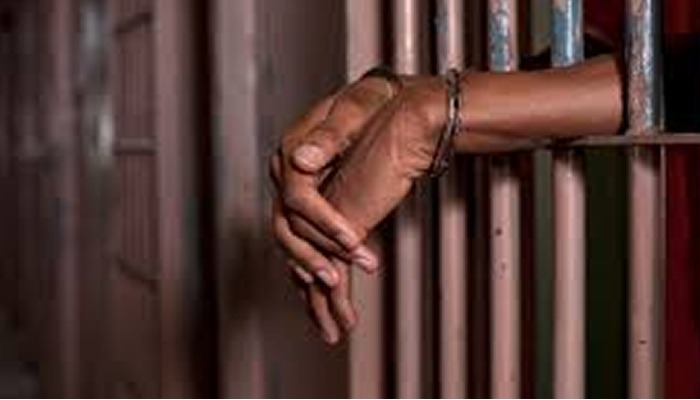
Abuja, Nigeria — The recent sentencing of Ahmadu Yaro to 21 years in prison for the rape of a three-month-old baby in Nasarawa State has sparked widespread relief—but also renewed scrutiny of Nigeria’s chronically weak child protection and judicial systems.
The crime, which occurred in Adogi village in 2020, drew national outrage at the time for its sheer brutality. Yet, it took five years of legal wrangling, bureaucratic inertia, and institutional delays before a verdict was finally reached. For many observers, the judgment is not just a victory—it is an indictment of a system that often fails its most vulnerable citizens.
Minister of Women Affairs and Social Development, Hajiya Imaan Sulaiman-Ibrahim, praised the outcome and the courage of Justice Aisha Bashir-Aliyu, who described the act as “barbaric” and a “direct attack on the moral conscience of society.” But even as she celebrated the ruling, Sulaiman-Ibrahim’s words hinted at deeper concerns: “This judgment is a commendable affirmation of the justice system’s role in safeguarding our children,” she said—implicitly acknowledging that such affirmations are far too rare.
Observers argue that the case exposes systemic deficiencies in how Nigeria handles sexual and gender-based violence (SGBV). Despite the domestication of the Child Rights Act (CRA) across all 36 states, enforcement mechanisms remain uneven, underfunded, or entirely absent. Cases involving child abuse or sexual violence often face delays due to poor investigative procedures, lack of forensic resources, and cultural stigmas that discourage reporting.
The minister commended the symbolic presence of Nasarawa’s Attorney General, Mr. Isaac Danladi, at the sentencing—a rare gesture in a country where high-level officials often remain absent from proceedings involving marginalized victims. She also applauded Governor Abdullahi Sule for creating a “justice-enabling” environment, but rights advocates insist that such environments must become the norm, not the exception.
“What this case reveals is not just one man’s evil,” says Temi Adebayo, a legal analyst. “It reveals the institutional silence that too often allows evil to thrive. This child’s case was not the only one. It was just the one that couldn’t be ignored.”
According to UNICEF, Nigeria ranks among countries with some of the highest rates of child sexual abuse, yet few cases reach conviction. Survivors and their families face multiple barriers—from police intimidation to social backlash—while the perpetrators often walk free.
Sulaiman-Ibrahim stressed that under President Bola Tinubu’s Renewed Hope Agenda, the federal government is working to change this landscape. “Justice will be visible, survivor-focused, and unrelenting,” she declared. But critics note that declarations must be backed with structural reforms: mandatory child protection units in all police stations, properly funded family courts, victim support frameworks, and public accountability for delays in prosecution.
Legal experts suggest that streamlining Nigeria’s criminal justice process—especially for crimes involving minors—could drastically reduce case timelines and increase conviction rates. Five years to resolve a case as clear-cut as this one, they say, is unacceptable.
Despite the long road, Yaro’s conviction has rekindled hope. The court’s decision, handed down without the option of a fine, sends a rare but needed message that child abuse will be met with uncompromising justice.
Minister Sulaiman-Ibrahim has urged other states to emulate Nasarawa’s stance, not just through courtroom victories but by tackling the structural rot that enables such crimes. “Let this ruling serve as a turning point,” she said. “A signal to all offenders that Nigeria will no longer shield those who violate her children.”
Whether that promise becomes policy—or remains rhetoric—depends on the systemic changes that follow.
