By Adebayo Razaq Olatunji
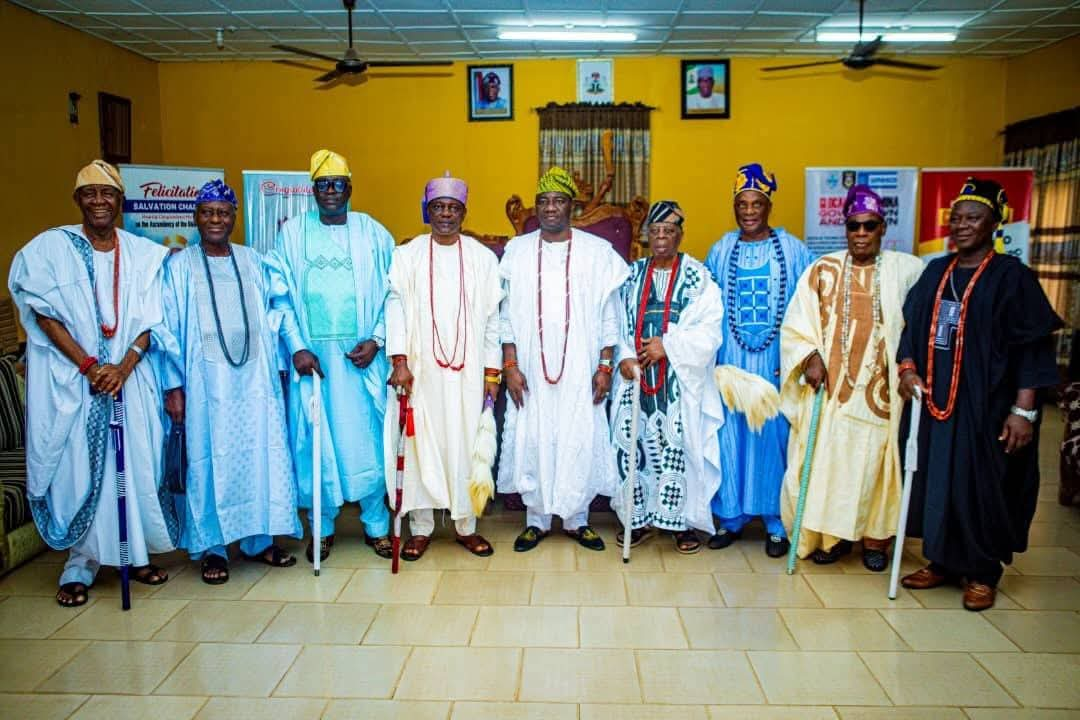
The recent attack on the Igbomina Traditional Council and some of the most respected traditional rulers in Kwara South is unfortunate, reckless, and deeply disrespectful to the institution of traditional leadership.
Particularly disturbing is the attempt to link the monarchs’ position on the Kwara South zoning debate to the influence or sponsorship of any political actor. Even more offensive is the allegation that revered royal fathers received ₦100,000 each to advocate a cause they genuinely believe serves the interests of their people.
Such claims are baseless, malicious, and completely unsupported by credible evidence.
Nothing could be more insulting than suggesting that monarchs of such stature, accomplishment, and influence could be induced with a token sum to express views on matters affecting their communities. Beyond being false, the allegation amounts to a direct attack on the dignity, honour, and integrity of the traditional institution.
Political actors and their supporters have every right to hold differing views on representation and power-sharing. However, dragging highly respected monarchs into partisan controversies simply because they advocated equity, fairness, and political stability is both embarrassing and condemnable.
The traditional rulers who spoke publicly did so because they considered the issue important to the future of their people. While citizens may agree or disagree with their position, disagreement should never degenerate into unfounded accusations designed to tarnish the reputation of respected royal fathers.
It is important to remember that many of the monarchs involved, including the Olupo of Ajase-Ipo, the Alaran of Arandun, and several others, distinguished themselves in public service, business, and professional careers long before ascending their ancestral thrones. Their records of achievement and service remain well known within and beyond Kwara State.
Therefore, suggesting that such accomplished personalities would compromise decades of hard-earned reputation for a paltry amount is absurd, laughable, and profoundly disrespectful. Those making these allegations owe both the traditional rulers and the public a duty either to present verifiable evidence or withdraw the claims.
Moreover, the attempt to portray the collective position of the traditional rulers as a product of inducement rather than conviction reflects a worrying decline in the quality of public discourse. Traditional rulers remain custodians of culture, peace, values, and communal harmony. As such, they possess every right to express opinions on matters affecting the welfare, unity, development, and political stability of their domains.
Equally concerning is the repeated claim that a senatorial aspirant secured an overwhelming margin of 74,000 votes in an exercise whose details remain largely unavailable for public scrutiny. Naturally, such assertions raise questions that deserve transparent answers rather than emotional propaganda and media grandstanding.
Democracy thrives on facts, transparency, and accountability, not on unverifiable statistics or manufactured narratives.
At its core, the position advanced by the Igbomina Traditional Council is about equity, inclusion, justice, fairness, and the preservation of political stability within Kwara South. Reasonable people may disagree on the issue. Nevertheless, such disagreement must not translate into attacks on royal fathers whose only offence is expressing their views on a matter of significant public importance.
The traditional institution predates contemporary politics. Consequently, it must never become a target of political frustration, propaganda, or character assassination.
As discussions about the future of Kwara South continue, respect for our royal fathers, civility in public discourse, and commitment to truth must remain our guiding principles.
