For decades, agriculture in many parts of Nigeria has followed a familiar pattern. Farmers cultivate crops and rear livestock, yet much of the value created from those products is lost after harvest or captured elsewhere through processing, packaging, storage and marketing.
The present administration in Kwara State believes it can change that narrative.
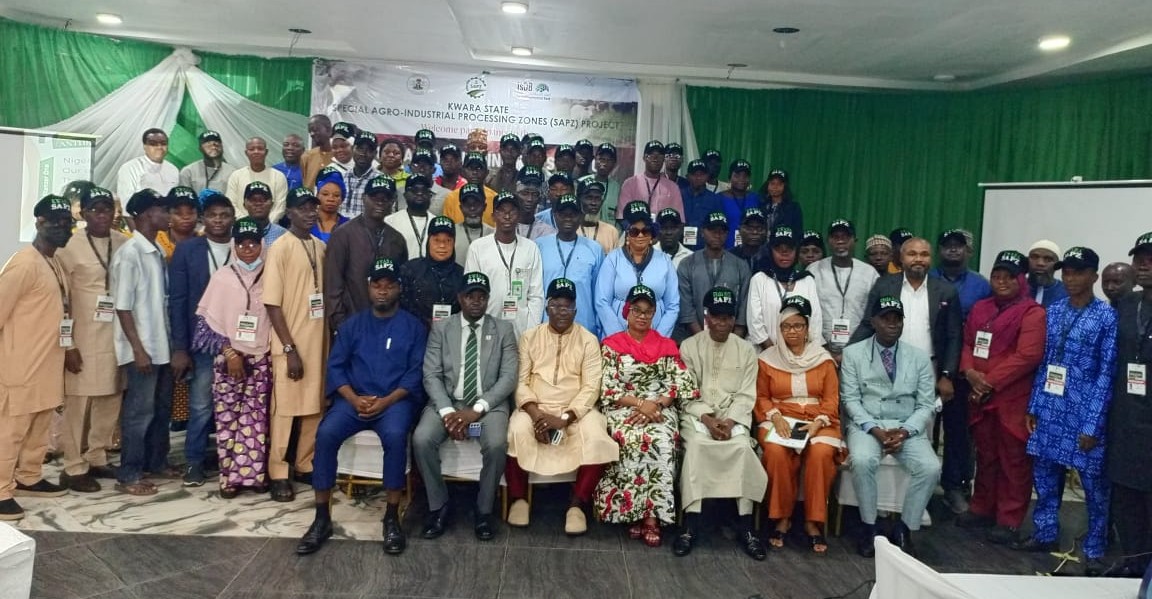
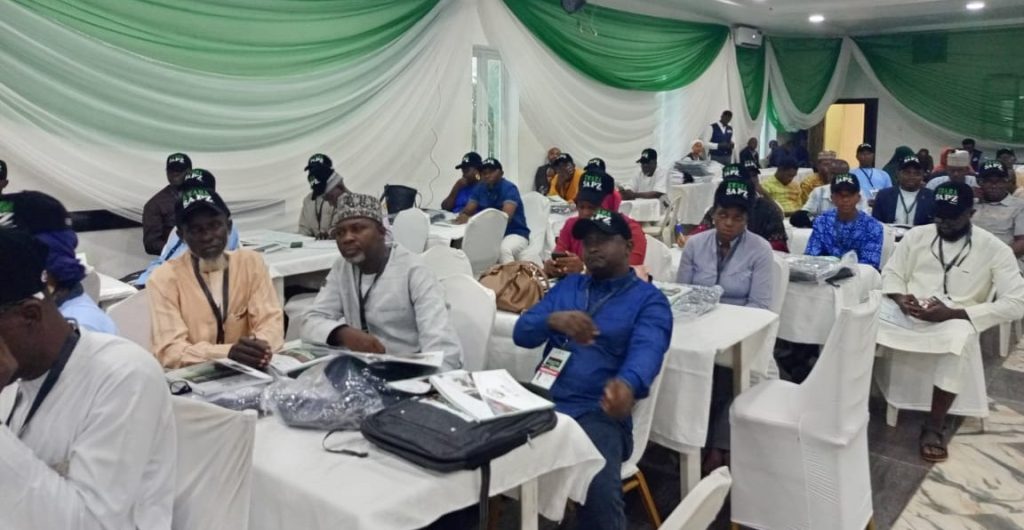
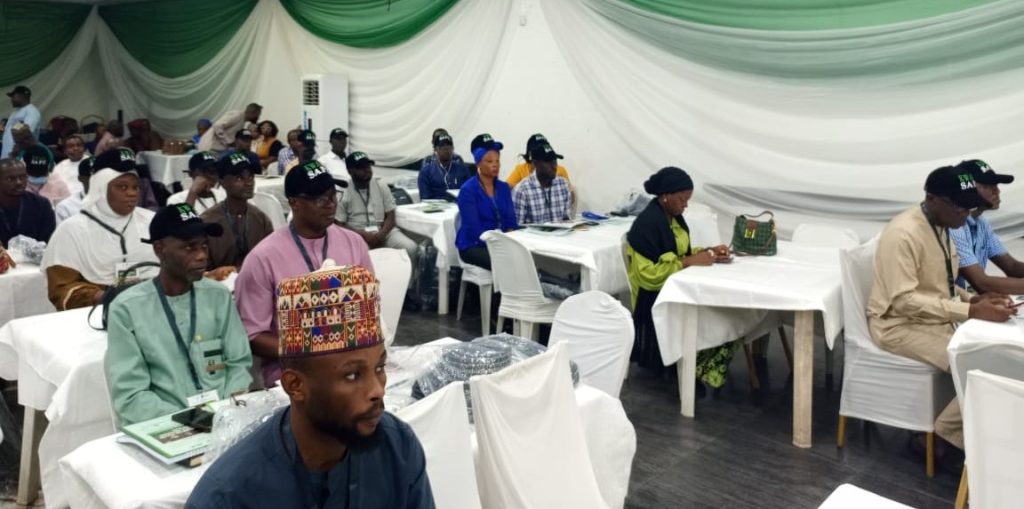
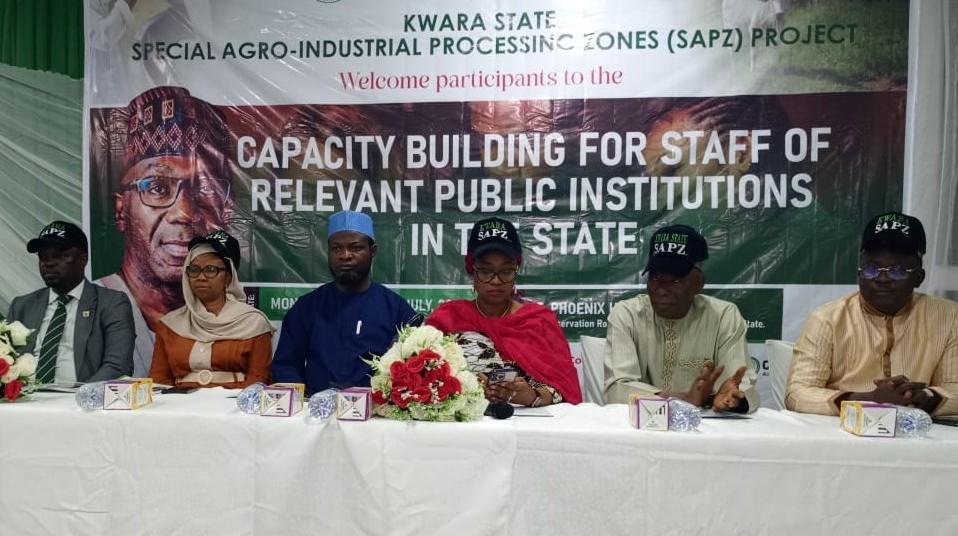
That ambition took another step forward on Tuesday as the state brought together 100 officials from 31 ministries, departments and agencies for a one week Technical Assistance and Capacity Building Programme under the Kwara State Special Agro-industrial Processing Zones (SAPZ) Project.
Unlike other routine training, the programme, which was packaged by Synergy Impact Consultant Limited, signals the state’s determination to build the institutional capacity needed to transform agriculture from primary production into a modern agribusiness ecosystem.
A Vision Beyond Primary Agriculture
Representing Governor AbdulRahman AbdulRazaq at the opening ceremony, the Secretary to the State Government, Professor Mamman Saba Jubril, challenged Kwarans to begin looking beyond production and focus on value addition.
He said Kwara possesses the natural resources and agricultural potential to become Nigeria’s food basket, but achieving that goal will require more than growing crops or raising livestock. The real opportunity, he noted, lies in processing agricultural products into higher value goods that create wealth, generate jobs and strengthen the state’s economy.
His remarks reflect a broader vision driving the SAPZ Project in the state.
Rather than treating agriculture as a subsistence activity, the initiative seeks to position it as a competitive business capable of attracting investment, expanding rural industries and creating sustainable employment across the state.
On the part of the Commissioner for Finance, Dr. Hauwa Nuru, the training represents an essential investment in people before investments in infrastructure can deliver their full impact.
She described the programme as a timely intervention designed to strengthen the capacity of public institutions responsible for implementing the SAPZ Project.
According to her, the project has moved beyond planning into visible execution because of the consistent support of Governor AbdulRazaq, whose administration has ensured the prompt release of counterpart funding and sustained commitment to its implementation.
She pointed to ongoing investments in critical infrastructure, stronger project governance, community engagement and the development of the beef and dairy value chains as evidence that the project is steadily taking shape.
Beyond the physical infrastructure, she said, the long-term objective is far more significant: creating thousands of jobs, improving household incomes, attracting private investment and accelerating socio-economic development in rural communities.
Building Institutions Before Infrastructure
At the centre of that transformation is preparation.
The State Coordinator of the SAPZ Project, Engr. Dr. Busari Isiaka Toyin, explained that the programme brought together 100 participants drawn from 31 government institutions, many of which will play critical roles once implementation gathers momentum.
According to him, this is the first time every government agency connected to the project has been assembled for a single technical training in Kwara State.
That, he said, is deliberate.
The training, according to him, is designed to equip participants with the technical knowledge, institutional understanding and implementation skills required to deliver the project effectively from day one.
“When implementation begins, there should be no uncertainty because everyone involved will already understand the technical, institutional and implementation framework of the project,” he said.
Why Value Addition Matters
For Engr. Toyin, the SAPZ initiative goes beyond building infrastructure. Its larger purpose is to solve one of agriculture’s most persistent challenges: post-harvest losses.
In Kwara’s case, the project focuses on the livestock value chain, particularly beef and dairy production, where improving processing, preservation and market access can significantly reduce waste while increasing returns for producers.
It is this emphasis on value addition that distinguishes the SAPZ model from conventional agricultural interventions.
Instead of measuring success only by the quantity of crops harvested or livestock produced, the project seeks to ensure that more of the economic value remains within Kwara through processing, industrial development and stronger market linkages.
The training therefore serves a broader purpose than classroom learning. It is creating a shared understanding among government institutions that must work together if the project is to achieve its objectives.
Preparing for Long-Term Success
In his remarks, the Lead Consultant for Synergy Impact Consultant Limited, Thomas Arokoyo, encouraged participants to approach the sessions as an opportunity to deepen collaboration and strengthen public service delivery.
He also urged participants to actively engage throughout the programme, share experiences and apply the knowledge gained to improve implementation of the SAPZ Project.
News Hub Mag! reports that as Kwara positions itself as a major player in Nigeria’s agricultural transformation agenda, the success of the SAPZ Project will depend not only on roads, processing facilities and investments, but also on the capacity of the institutions responsible for delivering them.
