For livestock farmers in Kwara State, securing a consistent supply of suitable animal feed remains a challenge that can limit productivity and earnings. The state government is now promoting improved feeding practices to address the problem and support more sustainable livestock production.
News Hub reports that the government has trained 100 livestock farmers in the conservation and preservation of forage crops as part of efforts to improve livestock feed production.
Hilltop Intercontinental and Business Services Limited organised the five-day capacity-building programme, which began on Monday, October 5, 2026, and ended on Friday, October 9.
At the opening ceremony, the Commissioner for Livestock Development, Mrs Oloruntoyosi Thomas, said the training was designed to improve animal health, increase farmers’ income and transform livestock production across the state.
Thomas, who was represented by the ministry’s Permanent Secretary, Alhaji Yahaya Mohammed, said the government was committed to equipping farmers with practices that could improve productivity and strengthen their livelihoods.
Improving Livestock Production
According to the commissioner, modern livestock practices can help farmers increase the production of meat and other livestock products, create employment and contribute to Kwara’s economic development.
The focus on forage conservation and preservation addresses a practical challenge in livestock farming: ensuring a reliable supply of suitable feed for animals.
By learning how to preserve forage for future use, farmers could improve feed availability and maintain more consistent production.
The training also seeks to encourage the adoption of improved production methods and make livestock farming more commercially viable.
Keeping Animals Fed at Home
A central issue addressed by the programme is how farmers feed their animals.
Dr Abdulateef Olugbon, Director of Livestock in the ministry, said the training would help farmers feed their animals at home instead of taking them to farmlands.
He noted that moving animals onto farmlands in search of feed often contributes to clashes between farmers and herders.
Forage conservation and preservation could offer farmers an alternative by enabling them to store suitable feed for use when fresh vegetation is less readily available.
Rather than depending entirely on vegetation around farmlands, farmers are being introduced to methods of conserving forage crops for livestock consumption.
If adopted effectively, these practices could support more sustainable feeding and reduce the need to move animals in search of forage, potentially easing one source of farmer-herder conflict.
Feed at the Centre of Production
Muhammad Ahmed Umar, Director of Livestock Services in the ministry, described the programme as intensive.
He stressed the importance of feed to livestock production, describing it as one of the most important factors in successful animal rearing.
Consistent access to suitable feed is essential to improving livestock production. Therefore, the techniques taught during the programme could help farmers manage their operations more effectively.
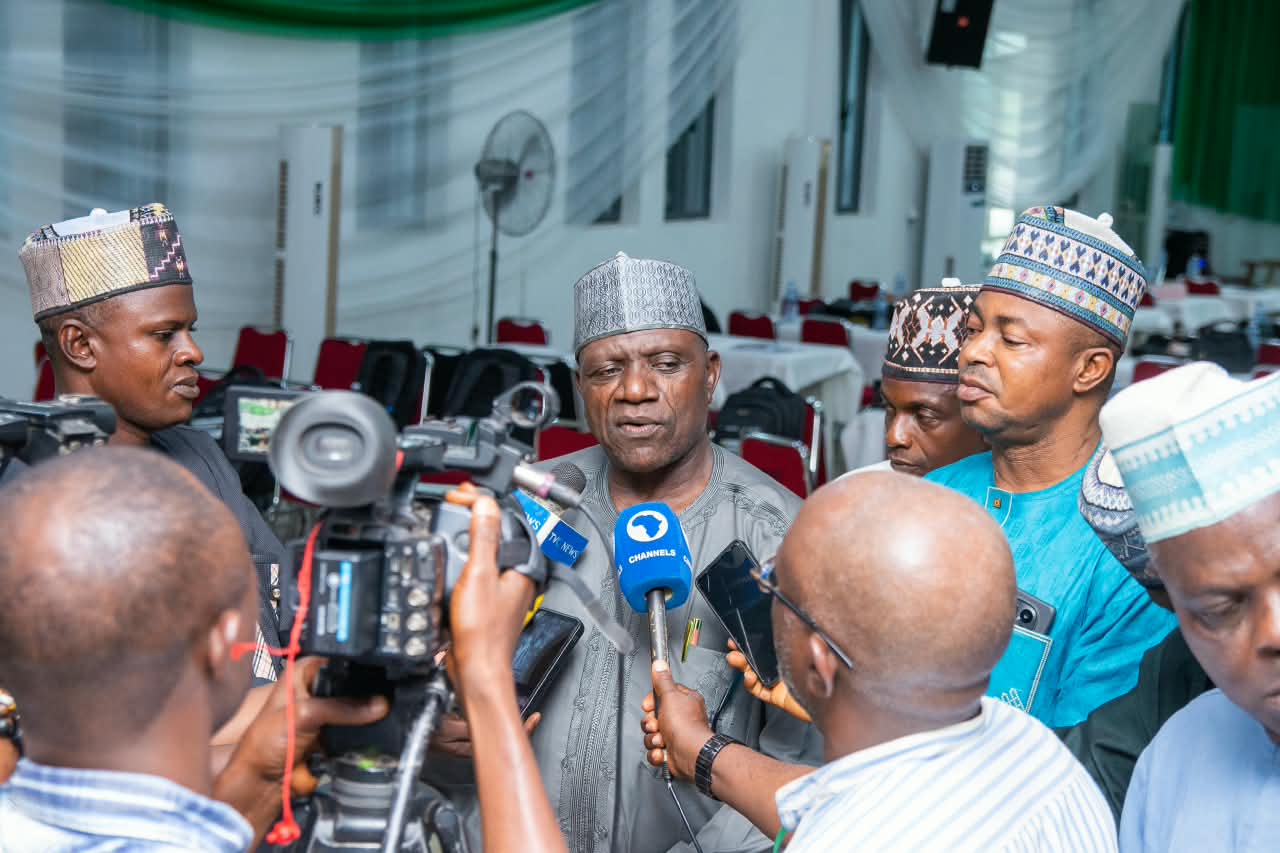
Speaking on behalf of the participants, Usman Abubakar-Mura commended the state government for the initiative.
He said the new livestock-rearing methods would contribute significantly to improving animal production.
Building a More Productive Livestock Sector
The five-day programme forms part of the state government’s efforts to strengthen livestock production through improved farming practices.
By training 100 farmers in forage conservation and sustainable feed production, the initiative seeks to build their capacity to manage livestock feeding and improve productivity.
Although the immediate focus is preserving forage crops for use as animal feed, the potential benefits extend to animal health, farm output and farmers’ earnings.
The programme also highlights the relationship between livestock management and peaceful coexistence, particularly where competition over farmland and grazing resources contributes to conflict.
Ultimately, the value of the training will depend on how effectively participants apply the techniques to their farms.
For Kwara State, promoting sustainable livestock feed production could support stronger rural livelihoods, improve the productivity of livestock farmers and help reduce conflicts associated with animals searching for feed.
