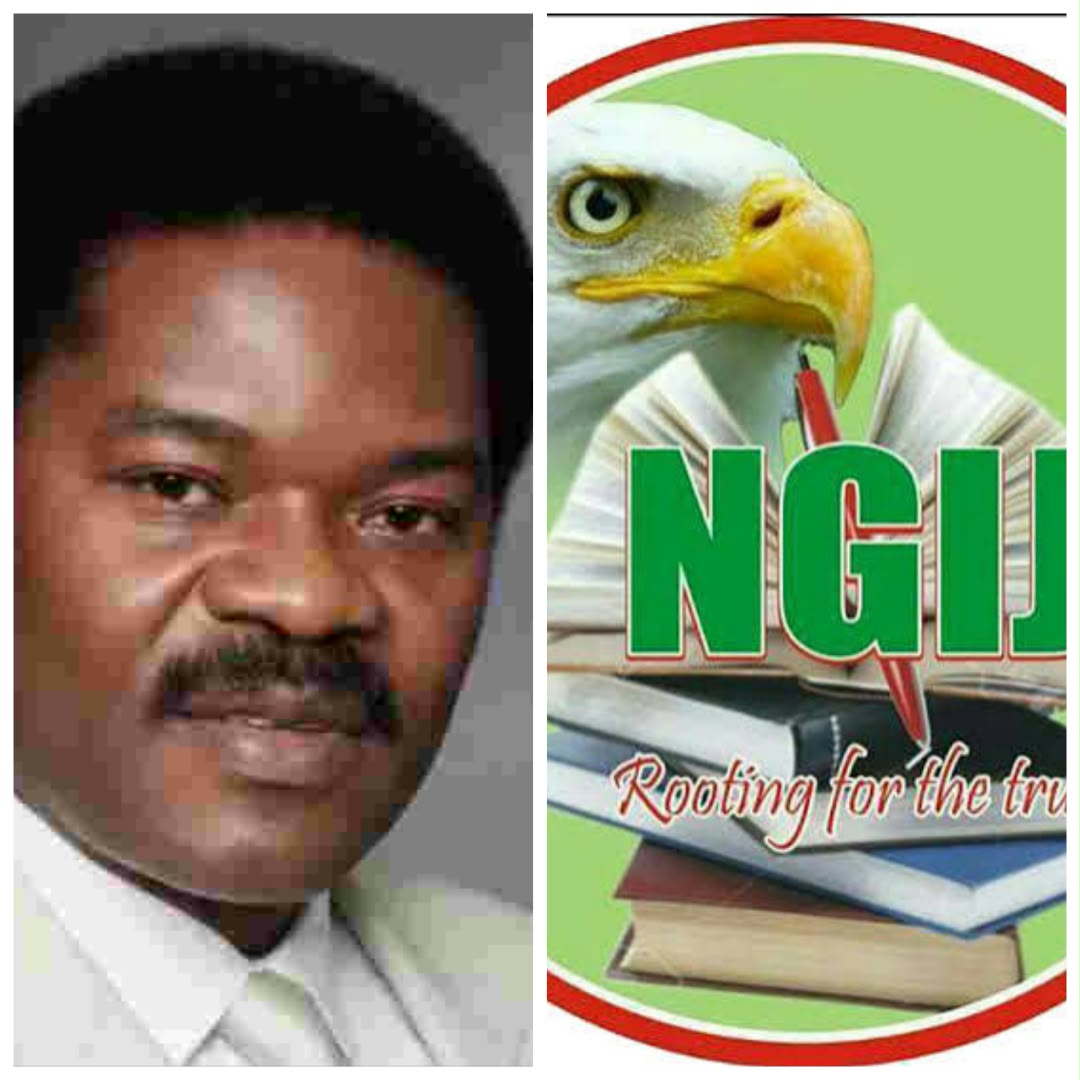
–Guild announces annual public lecture in honour of slain journalism icon
–Urges Federal Government to immortalise him and renews call for justice
Forty years after investigative journalist Dele Giwa was killed by a parcel bomb, the Nigerian Guild of Investigative Journalists (NGIJ) says Nigeria must not allow the unresolved assassination to fade into history without accountability.
The Guild made the position known in a statement marking the 40th anniversary of Giwa’s death, renewing its call for justice while announcing plans for an annual public lecture to preserve his legacy and promote investigative journalism.
The statement jointly signed by the NGIJ President, Mallam Abdulrahman Aliagan, and the Guild’s Secretary, Rowland Olonishuwa, urged the Federal Government to immortalise the late journalist, whose assassination remains one of the most enduring unresolved cases in Nigeria’s media history.
For NGIJ, the anniversary is not merely an occasion to celebrate Giwa’s achievements. It is also a reminder of the questions that remain unanswered about his death and the need to protect journalists who pursue accountability through their work.
“Forty years after Dele Giwa was murdered, Nigeria must not allow his sacrifice to fade into history,” the Guild said.
NGIJ announces annual Dele Giwa lecture
As part of its effort to preserve Giwa’s legacy, NGIJ announced plans to establish an annual Dele Giwa Public Lecture.
The proposed lecture will provide a platform to reflect on investigative journalism, press freedom, public accountability and the responsibility of the media in a democratic society.
By making the lecture an annual event, the Guild aims to ensure that Giwa’s contributions remain part of conversations about the future of journalism in Nigeria.
The initiative also offers an opportunity to connect his legacy with the challenges facing contemporary journalists, particularly those investigating corruption, abuse of power and other matters of public interest.
The Guild said its intention goes beyond commemorating Giwa on the anniversary of his death.
“We do not want Dele Giwa to be remembered only through anniversary tributes,” the statement said.
Four decades without answers
Giwa, a co-founder of Newswatch magazine, was killed on October 19, 1986, after a parcel bomb was delivered to his home in Lagos.
His death shocked Nigeria’s media community and drew international attention. However, the circumstances surrounding his assassination have remained unresolved, leaving generations of journalists and advocates for press freedom demanding accountability.
The anniversary therefore renews a difficult question: how can a society adequately honour a journalist’s contributions when the circumstances of his killing remain unresolved?
For NGIJ, remembering Giwa must involve more than speeches, tributes and references to his professional achievements. It must also include a sustained commitment to justice and the protection of journalists.
The Guild’s position reinforces a broader concern about impunity and the consequences when attacks against journalists do not result in accountability.
Guild asks Federal Government to immortalise Giwa
Beyond the annual lecture, NGIJ called on the Federal Government to immortalise Giwa in recognition of his contributions to Nigerian journalism.
Such recognition, the Guild maintains, would help preserve the memory of a journalist whose work influenced investigative reporting and public-interest journalism.
However, the call for immortalisation comes alongside the demand for justice. The Guild’s position is that preserving Giwa’s name should not replace efforts to address the unresolved questions surrounding his death.
“Remembrance must be accompanied by action,” the statement said.
The Guild’s appeal places responsibility on the government and other relevant institutions to ensure that the passage of time does not erase the public’s demand for accountability.
Keeping Dele Giwa’s legacy alive
Four decades after his death, Giwa’s name continues to feature in conversations about press freedom, investigative journalism and the risks journalists face while holding powerful interests to account.
For NGIJ, the proposed annual lecture represents an effort to turn remembrance into a continuing engagement with the principles that shaped his work.
It also provides an opportunity for journalists, media institutions, policymakers and the public to examine the role of investigative reporting in strengthening democracy and demanding transparency.
The Guild’s anniversary message ultimately carries two connected appeals: that Nigeria should preserve the legacy of one of its notable journalists and that the unresolved circumstances of his death should not be forgotten.
As the country reflects on 40 years since Giwa’s assassination, NGIJ insists that his memory should inspire more than annual remembrance. It should strengthen the commitment to justice, press freedom and the public’s right to know.
