When a disease breaks out, a pandemic threatens lives or a new health challenge emerges, the first questions are often about the availability of hospitals, doctors, medicines and medical equipment. But long before the search for treatment begins, another equally important battle is already taking place, in laboratories where scientists investigate diseases, test new ideas and develop the knowledge that makes effective healthcare possible.
This is why medical research must occupy a central place in Nigeria’s healthcare priorities, Dr Tunji Olowolafe has argued, describing it as the foundation upon which a truly resilient and self-reliant health system must be built.
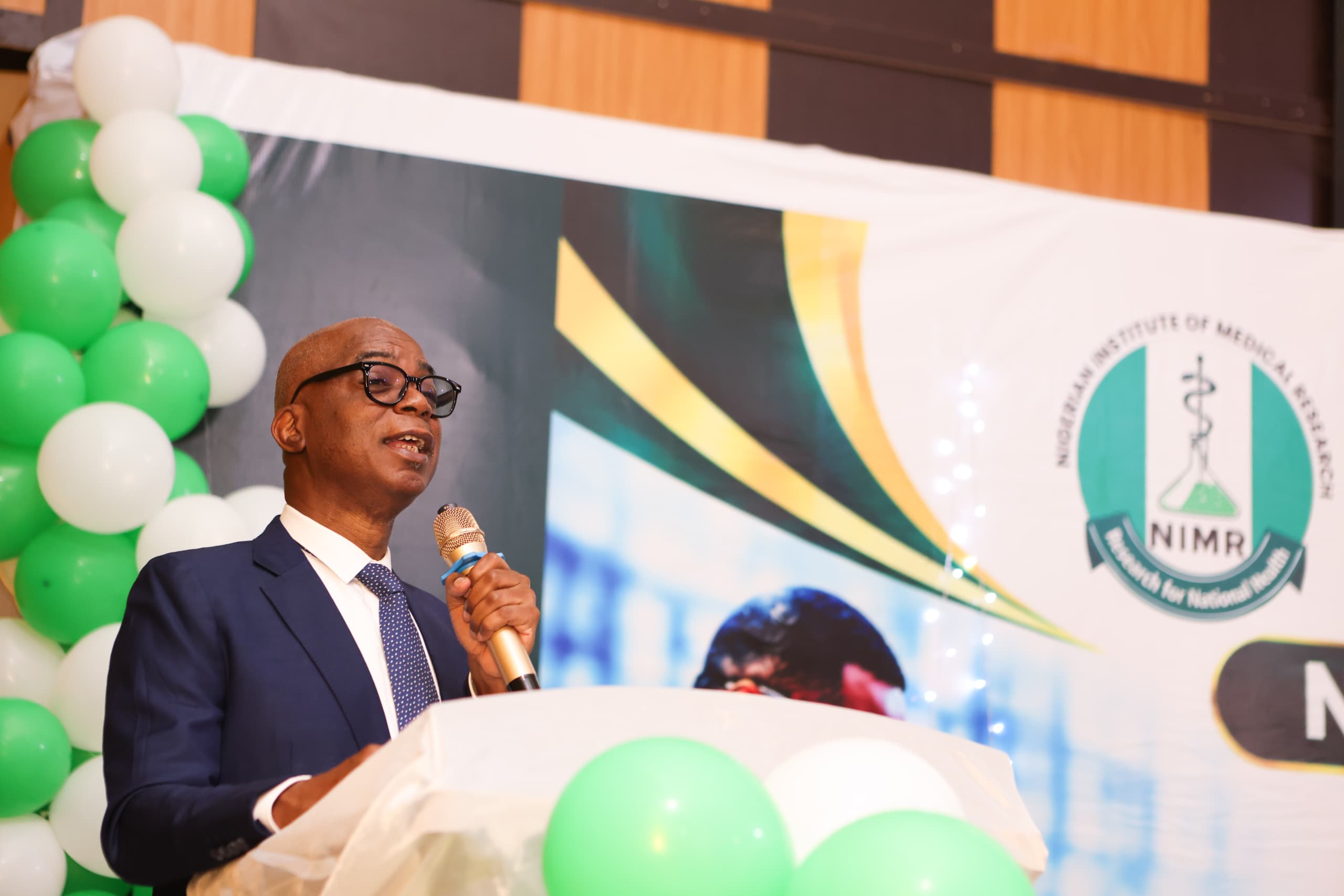
Olowolafe made this submission while chairing the opening ceremony of the 2026 Annual International Scientific Conference of the Nigerian Institute of Medical Research (NIMR) in Lagos. The conference, themed “Health Research in the Era of Advanced Technology,” brought into focus the growing relationship between scientific discovery, technological innovation and the future of healthcare.
For Olowolafe, the importance of NIMR to Nigeria cannot be overstated. Established in 1920, long before the country attained independence, the Institute occupies a strategic position in the nation’s healthcare architecture. Its responsibility goes beyond conducting scientific investigations. It is also mandated to strengthen research capacity, collaborate with universities and medical schools, investigate diseases affecting Nigerians and translate scientific findings into evidence that guides public policy.
In practical terms, this is where the foundation of better healthcare is laid. The discoveries made in research institutions inform how diseases are understood, how outbreaks are anticipated, how treatments are developed and how governments respond to public health emergencies.
The Ebola crisis and the COVID-19 pandemic offered a telling reminder of the importance of such institutions. Reflecting on NIMR’s contributions during both outbreaks, Olowolafe commended its efforts but also challenged Nigeria to look beyond emergency responses and build the capacity to develop solutions locally.
His position was particularly emphatic on vaccine production. Nigeria, he argued, should by now be building the laboratories, developing the expertise and providing the infrastructure needed to produce its own vaccines and respond to emerging diseases with speed and confidence. The ambition to achieve local production of medicines and vaccines, he noted, must be supported by serious research, with institutions such as NIMR providing the scientific foundation.
He also drew attention to the possibilities opening up through advanced technology. Artificial intelligence can help researchers identify patterns in medical data that might otherwise take years to discover, while technology-driven disease surveillance can assist public health authorities in anticipating outbreaks and planning effective responses. Robotics is equally extending the possibilities of modern surgery, while artificial intelligence and language models are beginning to change how medical professionals access information and interact with patients.
Indeed, the boundaries of medical practice are changing rapidly. Olowolafe cited the pioneering robotic telesurgery undertaken by Dr Adedamola Dada and his team at Redeemer’s University in September 2026 as an example of the remarkable possibilities emerging from the intersection of medical science and technology.
Yet, the larger message goes beyond technological advancement. Nigeria must create an environment in which scientific research receives the investment, institutional support and collaboration required to translate discoveries into practical solutions. It is not enough to aspire to produce medicines and vaccines locally; the research capacity to make that ambition possible must also be developed.
Olowolafe expressed the hope that the conference would provide an opportunity not only for the exchange of knowledge but also for more ambitious thinking about the research infrastructure and homegrown solutions Nigeria needs. He also expressed the desire for a lasting partnership between the Tunji Olowolafe Foundation and NIMR to support the Institute’s work and strengthen its capacity.
Ultimately, a country’s ability to protect the health of its people is measured not only by the hospitals it operates or the number of medical personnel it employs, but also by its capacity to generate the knowledge and innovations that keep its people healthy. That is the important conversation Olowolafe has brought to the fore, and one Nigeria cannot afford to ignore.
