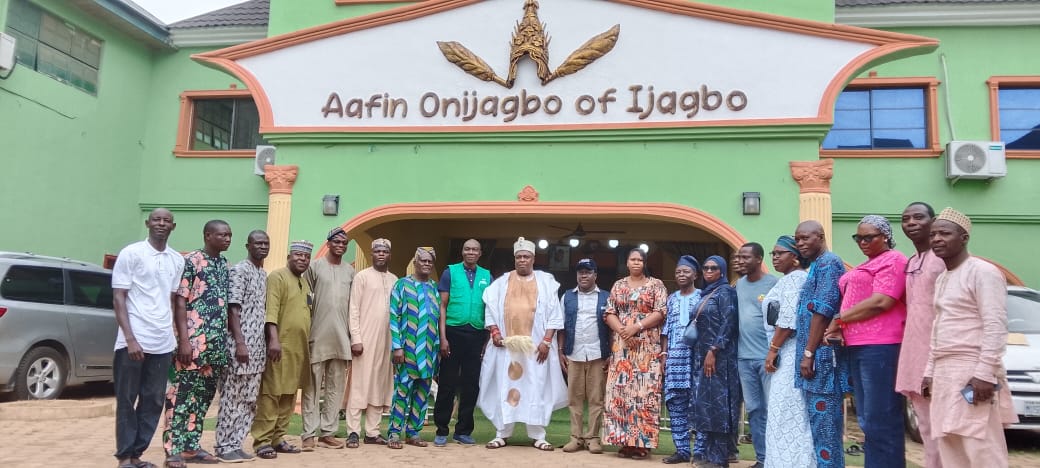
The Federal Government has reaffirmed its commitment to eradicating Peste des Petits Ruminants (PPR), a highly contagious viral disease affecting sheep and goats, by 2030 as part of efforts to strengthen Nigeria’s livestock industry, improve food security and increase farmers’ incomes.
The assurance came during a two-day working visit by officials of the Federal Ministry of Livestock Development to Kwara State to assess projects under the Livestock Productivity and Resilience Support (L-PRES) Programme and advance plans for the establishment of a Community Goat Club in Ijagbo, Oyun Local Government Area.
Community Ownership at the Heart of Reforms
Speaking during a visit to the palace of the Onijagbo of Ijagbo, the Director of Ranch and Pastoral Management in the Federal Ministry of Livestock Development, Mr. Akeem Ibilade, said the government is shifting from short-term interventions to community-driven livestock development.
According to him, the Community Goat Club initiative aims to improve livestock production, build farmers’ resilience, create employment opportunities and stimulate rural economic growth.
Unlike previous interventions that faded after external funding ended, Ibilade said the new model places communities at the centre of project ownership to ensure sustainability.
“The project is designed as a joint government-community initiative that can be replicated across communities and states. Community ownership is critical to ensuring its long-term success,” he said.
Modern Livestock Practices to Replace Traditional Grazing
Ibilade said the programme will encourage livestock farmers to adopt semi-intensive production systems instead of relying solely on extensive grazing.
He explained that the approach includes rotational grazing, improved pasture management and better feeding practices to increase productivity while protecting grazing lands.



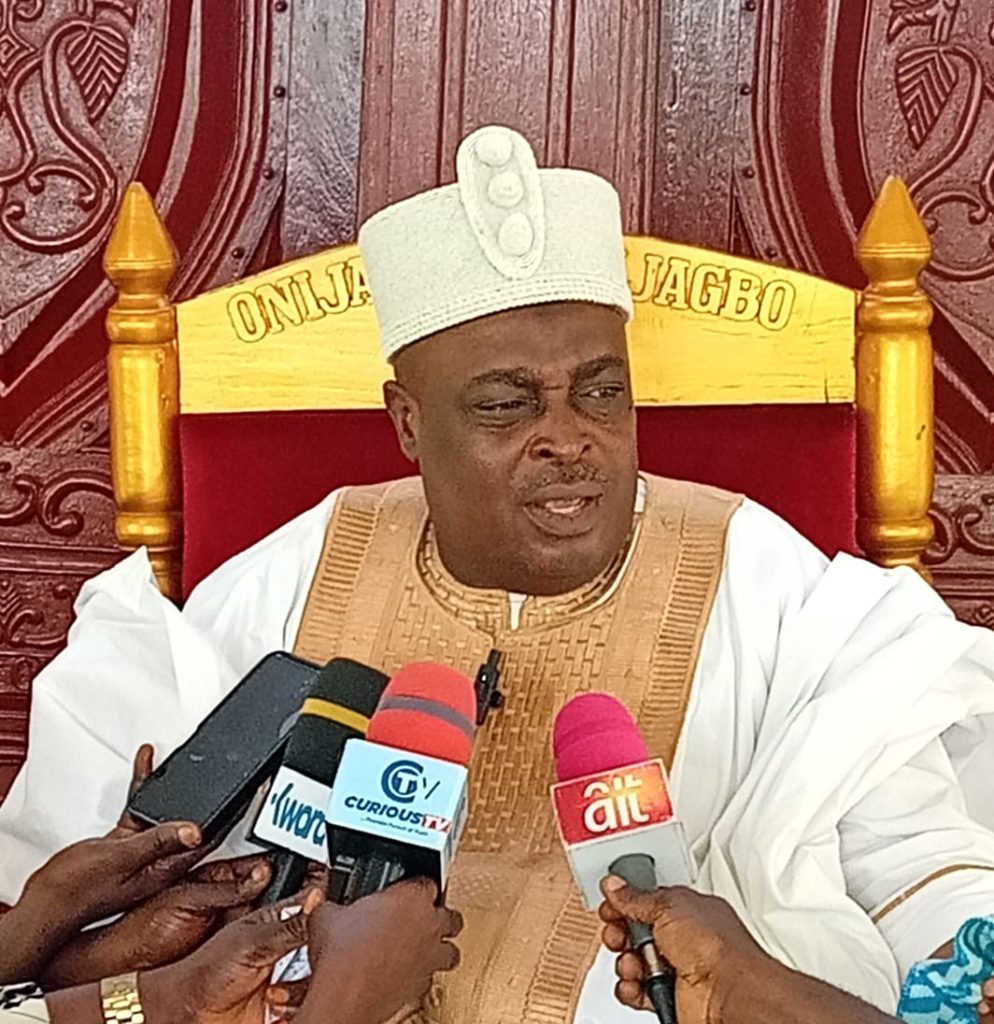
The initiative, he added, will also strengthen farmers’ capacity through training, technical support and strategic partnerships aimed at improving profitability and livestock management.
Traditional Ruler Seeks Veterinary Clinic
The Onijagbo of Ijagbo, Oba Sarafadeen Adeniyi Buhari Babalola I, described the establishment of clustered model farms as a major step toward transforming Nigeria’s livestock sector.
He urged residents to embrace the initiative, saying it has the potential to create jobs, improve food security and reduce poverty.
The monarch also appealed to the Federal Government to establish a veterinary clinic in Ijagbo to improve access to animal healthcare and support the programme’s success.
L-PRES Boosting Farmers’ Capacity
Kwara State L-PRES Project Coordinator, Mr. Olusoji Oyawoye, said the programme has already trained livestock farmers on improved feeding techniques for sheep and goats.
He added that beneficiaries have received improved pasture seeds, logistics support and other essential inputs to enhance livestock feed production.
Oyawoye expressed confidence that sustained Federal Government support would position Kwara as a major producer of livestock feed and fodder capable of supplying other parts of the country.
Improved Animal Health Services
The State Coordinator of the Federal Ministry of Livestock Development Field Office, Mr. Bello Ismail Kolawole, said clustered model farms would make it easier to deliver veterinary services, expand vaccination coverage and strengthen disease surveillance.
Similarly, the representative of NABUK Farm, Mr. Muyiwa Oyeleke, described the collaboration between the ministry and the L-PRES Programme as a landmark intervention capable of improving livestock productivity and farmers’ livelihoods.
He assured the delegation that participating farmers remain committed to ensuring the long-term sustainability of the programme.
Delegation Inspects Projects
As part of the visit, the Federal Government delegation met with the Onijagbo of Ijagbo, community leaders and programme beneficiaries.
The team also inspected selected L-PRES project sites in Oyun, Irepodun and Asa local government areas to assess implementation and engage directly with participating communities.
