.As Kwara Leads Pilot With 10 Private Vets
More than 760 private veterinarians and veterinary paraprofessionals are being deployed across 20 states to take animal health services closer to rural livestock farmers under a new intervention by the Livestock Productivity and Resilience Support Project, L-PRES.
The initiative will cover more than 1,000 livestock clusters and potentially reach at least 26,000 farmers.
It is designed to address a major gap in Nigeria’s livestock sector.
More than 80 per cent of veterinary professionals in Nigeria work in the private sector. Yet many private practitioners operate mainly in urban areas, leaving rural livestock farmers with limited access to professional animal health services.
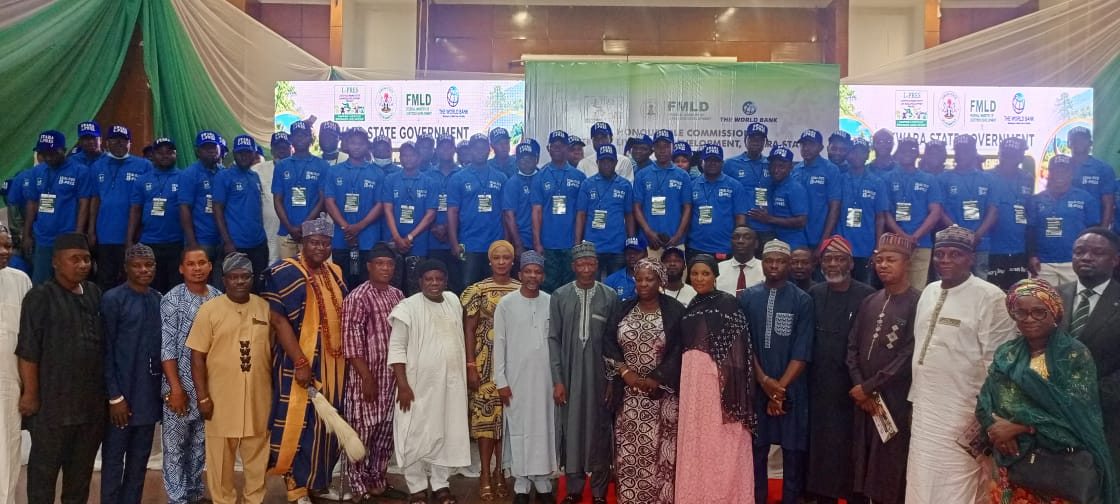
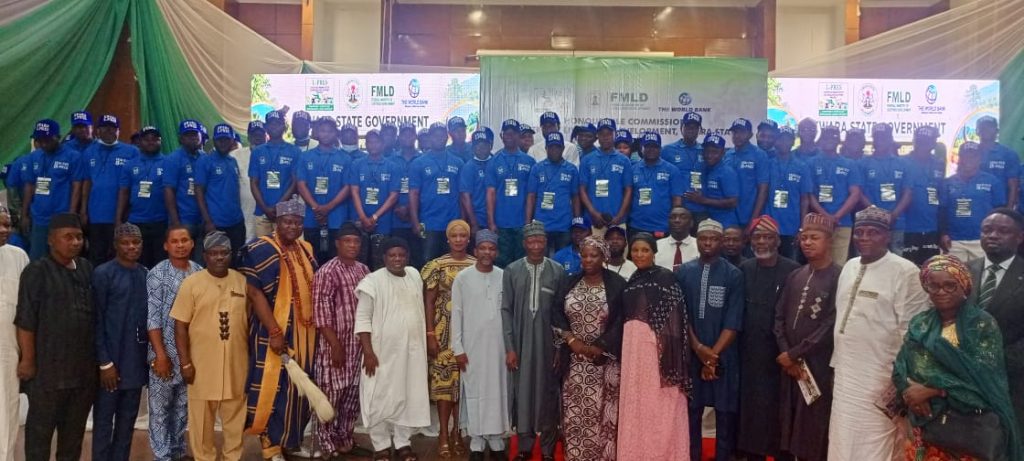
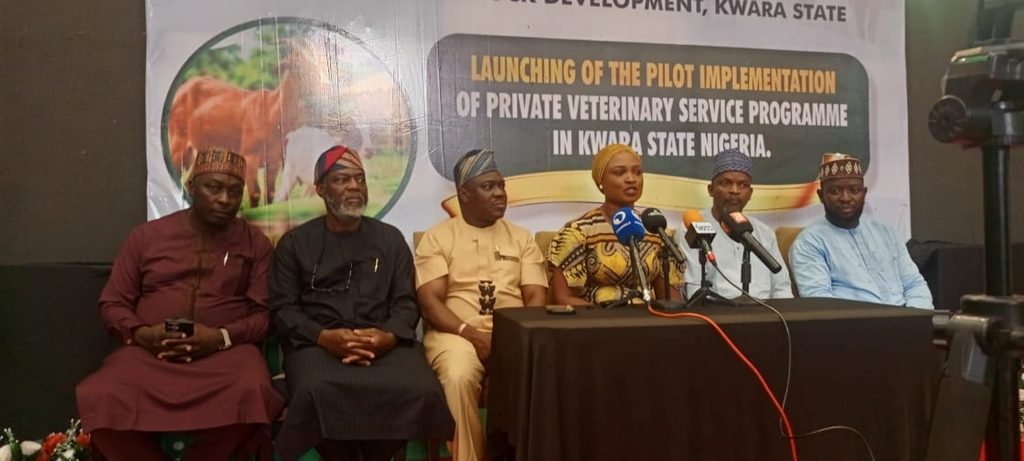
Kwara State has now become the first state to formally flag off the pilot implementation of the Private Veterinary Service, PVS, programme.
The development places the state at the centre of an experiment that could change how veterinary services reach livestock farmers, particularly in communities where government veterinary personnel cannot meet demand.
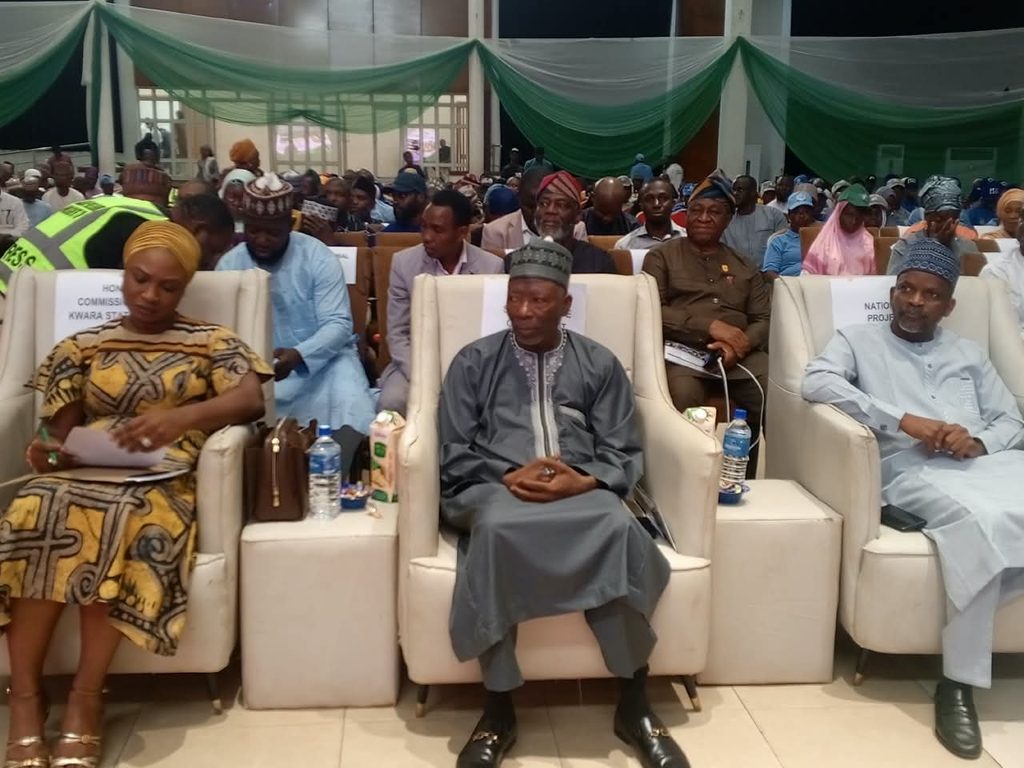
At the launch of the pilot programme in Kwara on Thursday, the National Project Coordinator of L-PRES, Dr Sanusi Abubakar, described the initiative as a public-private partnership designed to expand access to quality veterinary services.
He said the programme would strengthen the veterinary workforce, create jobs for young veterinarians and para-veterinarians, improve disease surveillance and boost livestock productivity.
Closing the distance between vet and farmer
For livestock farmers, veterinary care goes beyond treating sick animals.
It can determine whether a farmer prevents an outbreak or responds after it has spread.
It can also affect reproduction, milk production, meat production and the survival of animals that may represent a family’s major investment.
That makes the distance between veterinary professionals and livestock farmers important.
Nigeria already has a significant private veterinary workforce. The challenge, according to L-PRES, is getting more of that expertise to underserved livestock communities.
The PVS model seeks to bridge the gap by deploying private professionals within livestock clusters while they collaborate with government veterinary officers.
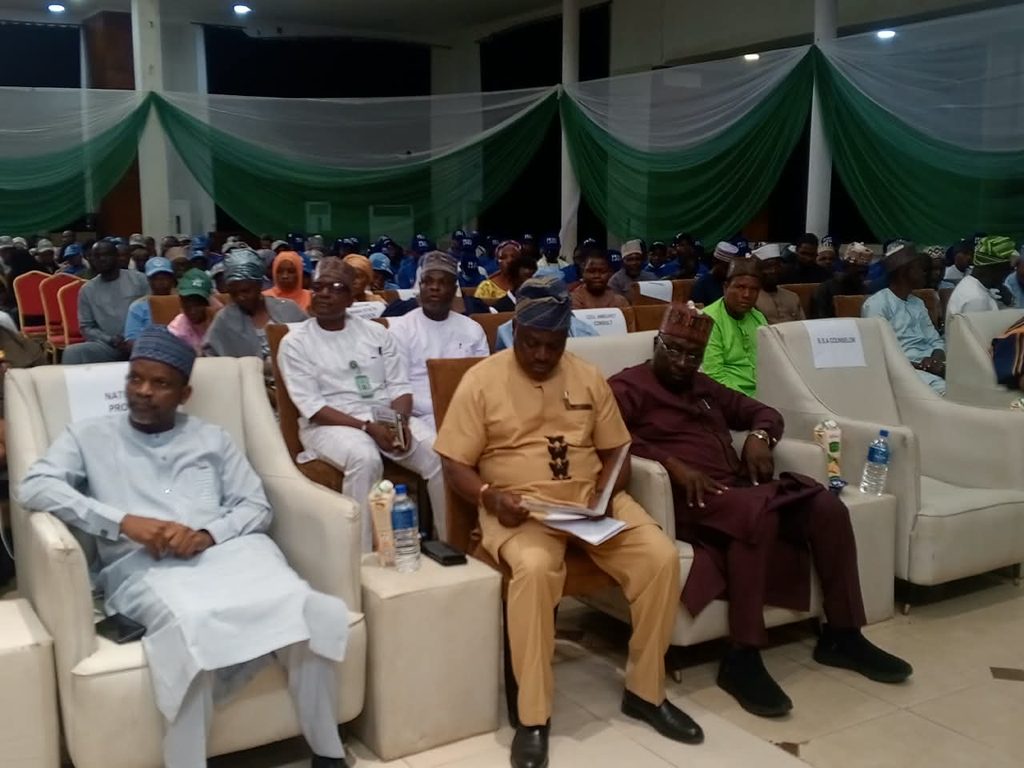
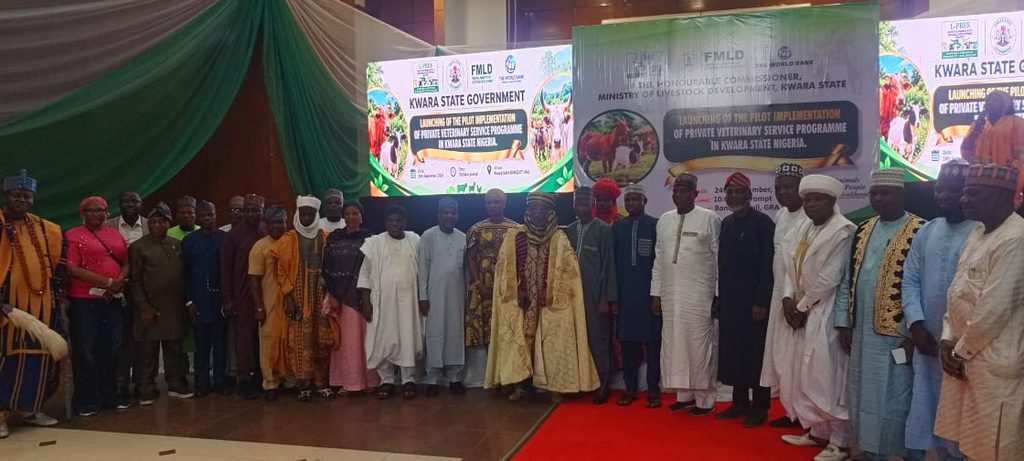
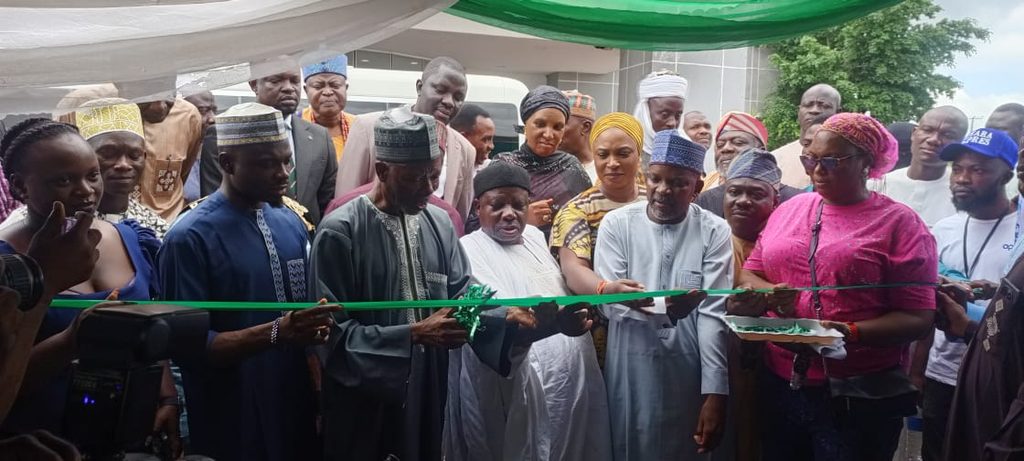
In Kwara, 10 selected private veterinarians will work alongside government veterinary personnel to provide animal health services across the state.
The State Commissioner for Livestock Development, Mrs Oloruntoyosi Thomas, said the arrangement would strengthen disease surveillance, improve vaccination coverage and enhance the state’s response to outbreaks.
She added that the programme would also promote the responsible use of veterinary drugs.
That combination of preventive care, surveillance and treatment could prove important in livestock communities, where disease can quickly spread from one animal to an entire herd or flock.
Kwara’s livestock intervention
The new programme is coming to a state that has already invested in livestock development.
According to Thomas, the Kwara State Government has, over the past two years, implemented several interventions to improve livestock production.
These include artificial insemination, provision of water, feed and pasture for pastoralist communities, and the establishment of demonstration farms.
The state has also supplied threshers, crushers, pelleting machines and baling machines to support feed production.
On the animal health side, veterinary clinics and slaughter facilities have been renovated and equipped.
The commissioner said more than 238,000 animals had been vaccinated, while more than 800 livestock value-chain players had been mapped and profiled.
More than 2,000 farmers had also been trained.
These figures provide a wider picture of the environment into which the PVS programme is being introduced.
Rather than operating as a standalone intervention, the private veterinary service is expected to complement other efforts aimed at improving livestock health, production and farmers’ livelihoods.
When disease wipes out a farmer’s investment
At the programme, the Kwara L-PRES Coordinator, Mr Soji Oyawoye, stressed the urgency of the initiative by sharing the experience of a livestock farmer in the state.
According to Oyawoye, the farmer received training through the project and had begun building his goat herd.
However, about two months before the programme launch, he lost 19 goats to Peste des Petits Ruminants, PPR, a highly damaging disease affecting sheep and goats.
The coordinator said the farmer suffered the loss because he did not have timely access to animal health services.
The incident shows how quickly disease can undermine investments in improved breeds, feed, water and better management.
That is the gap the Private Veterinary Service initiative is attempting to address.
A livestock intervention beyond veterinary care
The PVS programme is being introduced in Kwara against the background of a wider L-PRES intervention covering animal health, water, infrastructure, training and agricultural inputs.
The Kwara L-PRES Coordinator said the project had so far vaccinated about 250,000 animals against key livestock diseases.
The state has also rehabilitated and upgraded its veterinary clinic, including the provision of solar-powered vaccine cold storage facilities.
Water access has also received significant attention.
According to Oyawoye, L-PRES has constructed or rehabilitated 67 solar-powered boreholes at water points across the state.
The intervention addresses a problem that had become a major burden for some livestock farmers and pastoralists.
The coordinator said some residents had previously travelled from Kwara to Oyo State in search of water.
He also described some communities as places where residents had lived for decades without government intervention in water infrastructure.
The solar-powered boreholes therefore represent more than an infrastructure project.
Building the infrastructure behind the service
The L-PRES intervention in Kwara also includes investments in veterinary and livestock infrastructure.
Abubakar disclosed that the project had completed a Model Veterinary Hospital in Ilorin and a Strategic Animal Holding Facility at the Baruten border.
A pilot waste management plan is also ongoing at Akerebiata in Ilorin.
According to Abubakar, the project plans to establish additional veterinary clinics and a strategic vaccine storage facility in Ilorin.
The infrastructure matters because veterinary professionals need adequate facilities, vaccines, equipment and support systems to provide effective care.
A veterinarian may be available to a farmer, but effective animal health services also depend on the ability to diagnose diseases, administer appropriate treatment, provide vaccines and respond quickly to outbreaks.
The combination of human resources and infrastructure therefore gives the Kwara pilot a wider dimension.
More than treating sick animals
One important aspect of the programme is its potential to move veterinary care from a reactive model towards prevention.
Instead of waiting until farmers begin losing animals, veterinary professionals can identify risks, support vaccination, educate farmers and strengthen early disease reporting.
That is where disease surveillance becomes particularly important.
A veterinary professional who works regularly within livestock clusters is closer to emerging problems than a system that depends on farmers travelling to urban centres when animals become seriously ill.
Early information can help veterinary authorities respond faster and potentially prevent a local disease problem from becoming a wider outbreak.
Responsible use of veterinary medicines is another part of the equation.
With professional guidance available closer to farmers, the programme can help reduce inappropriate use of veterinary drugs and encourage farmers to seek qualified advice before administering treatment.
A model worth watching
Kwara’s role extends beyond the state itself.
As the first state to flag off the pilot PVS programme, Kwara provides an early opportunity to assess whether a structured partnership between government and private veterinary practitioners can close gaps in rural animal health services.
If the model delivers the intended results, the experience could provide useful lessons for other states participating in the wider programme.
For Nigeria’s livestock farmers, however, the measure of success will be much simpler.
It will not be the number of professionals announced at a launch. It will be whether a farmer whose animal falls sick can find qualified help early enough.
And it will be whether diseases are detected before they spread. It will be whether more animals survive, reproduce and produce.
Ultimately, it will be whether better animal health translates into better livelihoods for the people whose daily work keeps Nigeria’s livestock economy moving.
That is the real test facing L-PRES as its private veterinary service moves from the policy table into livestock communities.
