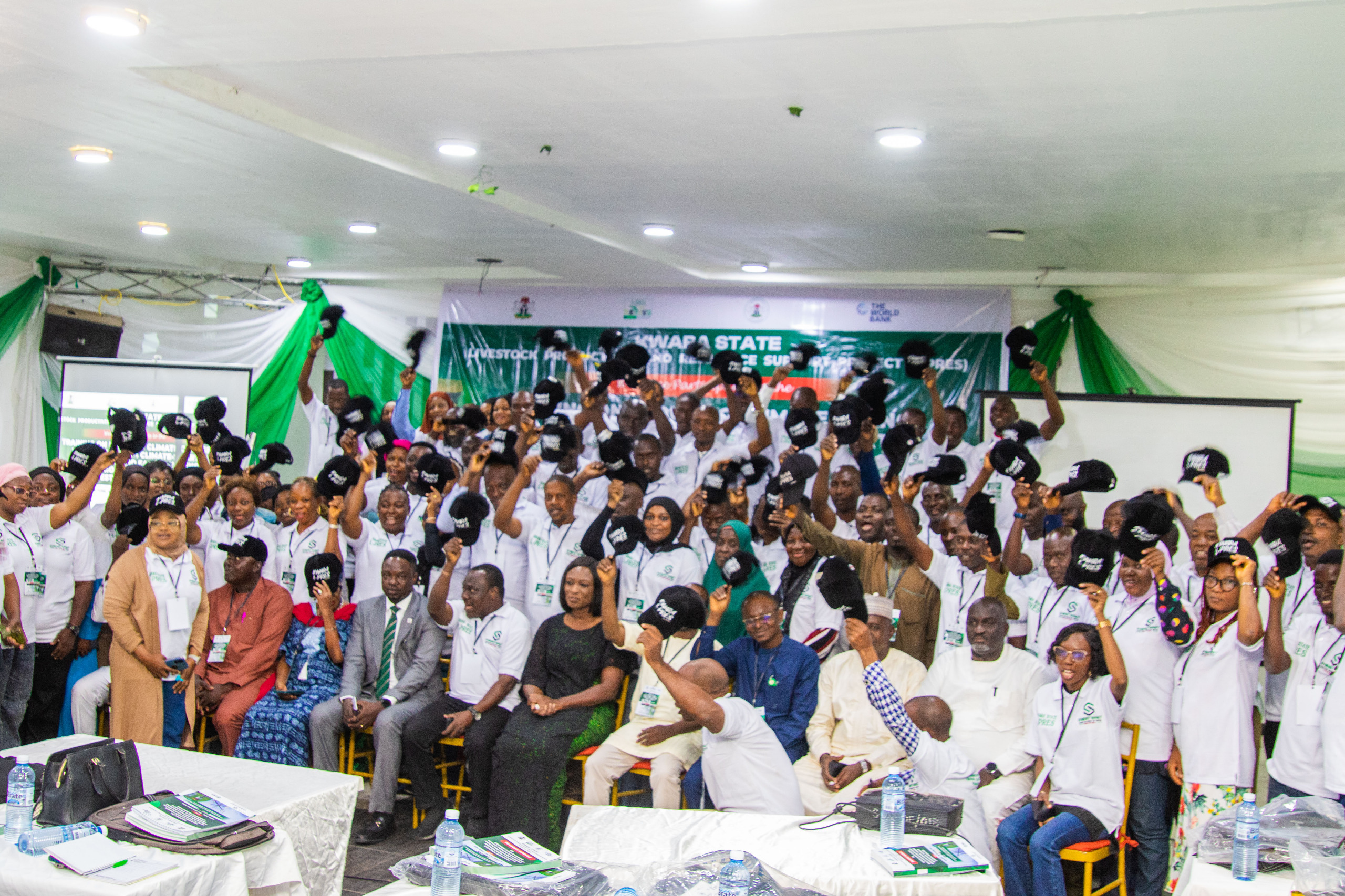
ILORIN, Nigeria – June 23, 2025. In a strategic move to buffer rural communities against climate-induced disruptions in food production, the Kwara State Government has launched a five-day capacity-building program aimed at equipping frontline livestock officers with tools to adapt to increasingly erratic weather patterns.
While climate change is often viewed through the lens of global policy or urban impacts, Kwara’s recent initiative places rural livelihoods—especially those of smallholder livestock farmers—at the center of adaptation efforts. The state’s training of 100 livestock professionals underscores a growing grassroots focus in Nigeria’s climate strategy, signaling a shift from reactive relief to proactive resilience, particularly in food-producing communities.
The five-day training program, organized under the Livestock Productivity and Resilience Support Project (L-PRES) in collaboration with Synergy Impact Consultant Limited, aims to empower stakeholders with practical knowledge on climate-smart livestock practices.
Speaking at the program’s opening in Ilorin on Monday, Governor AbdulRahman AbdulRazaq -represented by Commissioner for Livestock Development, Mrs. Oloruntoyosi Thomas- highlighted the urgency of the initiative. “Our smallholder farmers face increasing challenges due to climate variability. This training is about protecting livelihoods and ensuring long-term productivity,” she said.


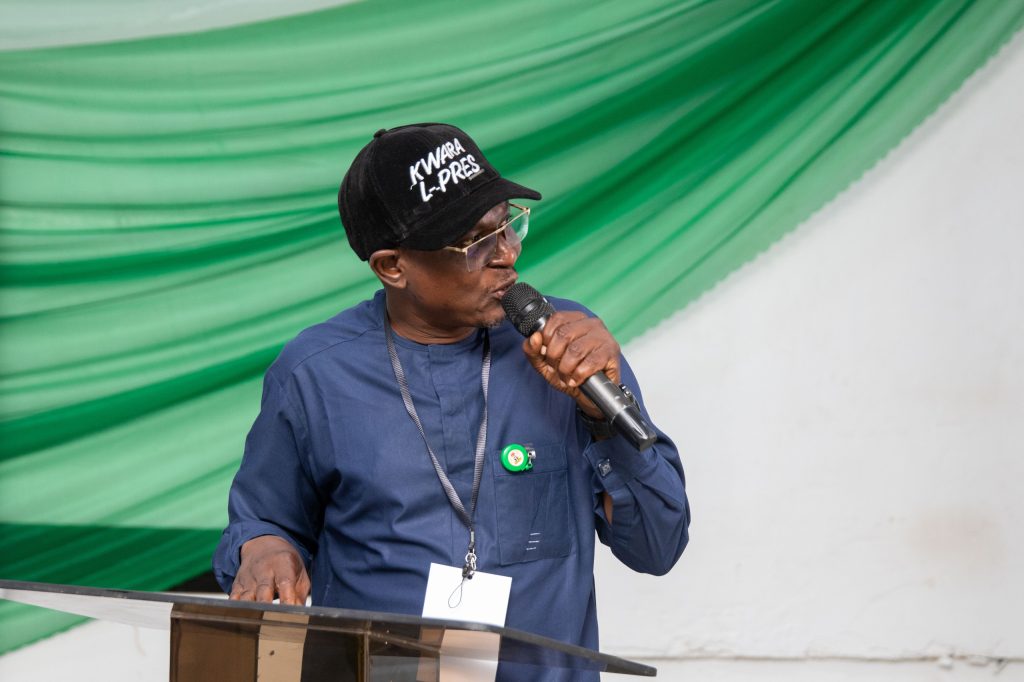
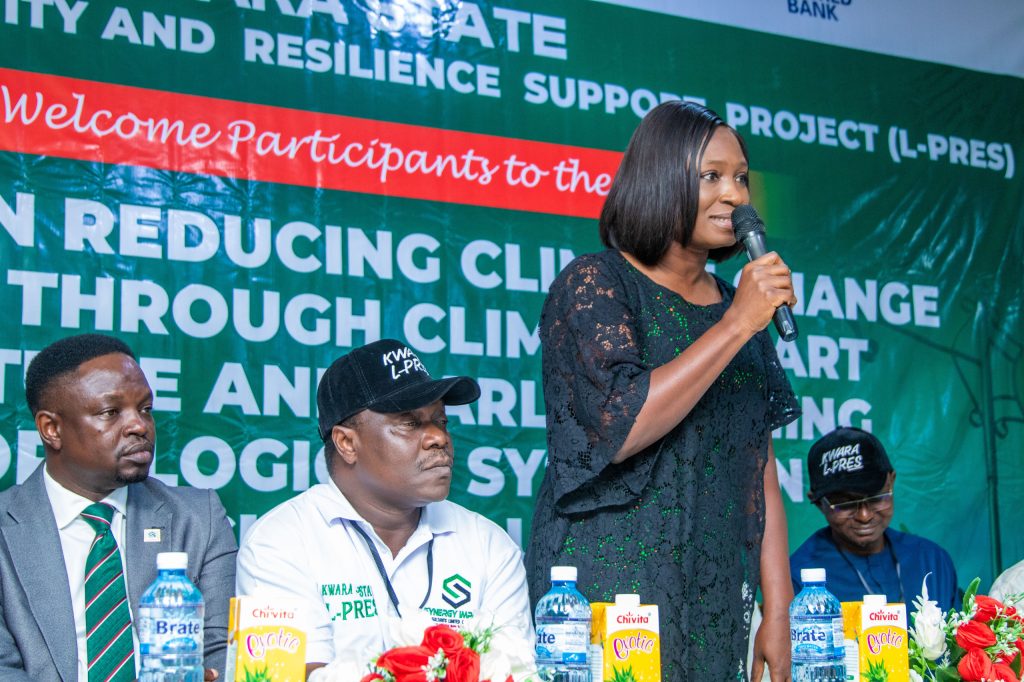
The Governor revealed that as part of the broader climate adaptation infrastructure, the state has installed three automated weather stations—one in each senatorial district. These facilities, jointly managed by the Nigerian Meteorological Agency (NiMet) and Michigan State University in the United States, will deliver real-time climatic data to support local agricultural decisions.
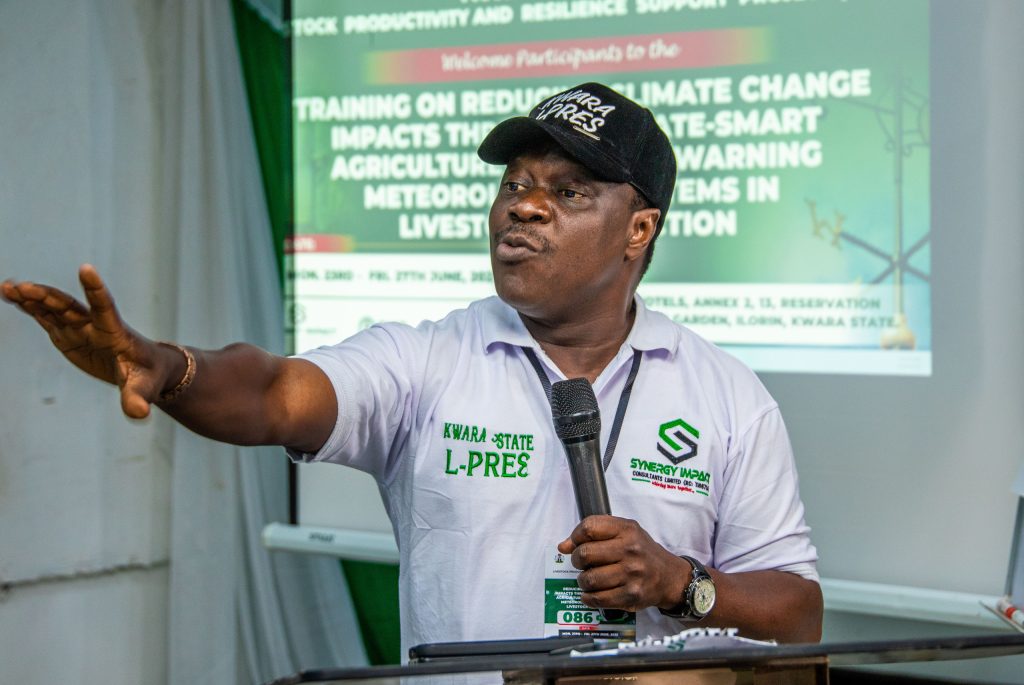
News Hub reports that the training covers essential themes such as climate risk interpretation, early warning systems, and resilient livestock management practices. Lead facilitator Professor Adetunji Olatunji of Ahmadu Bello University, Zaria, emphasized the critical role of frontline extension workers. “This isn’t just about data; it’s about translating science into actionable knowledge at the grassroots,” he said.
Mr. Olusoji Oyawoye, the L-PRES State Project Coordinator, called on participants to become conduits of information for their respective communities. “You are not just beneficiaries—you are partners in disseminating resilience strategies across Kwara’s farming belt,” he urged.
As climate change continues to reshape Nigeria’s agrarian landscape, initiatives like Kwara’s localized livestock training reflect a pivot toward inclusive, bottom-up resilience planning. By investing in rural capacity and local data access, the state aims to ensure that climate adaptation reaches those most vulnerable—not in theory, but in practice.
